The Kentucky Derby doesn’t just crown a horse—it can crown a life in two minutes, and Nik Juarez knows it.
Quick Take
- Jockey Nik Juarez, 31, heads to his first Kentucky Derby riding American Promise after a Virginia Derby win at Colonial Downs on March 15, 2025.
- American Promise carries instant buzz as a son of 2018 Triple Crown winner Justify, a pedigree that turns “hope” into a serious talking point.
- Trainer D. Wayne Lukas, 89, chases a fifth Kentucky Derby win, a career-defining number that would underline his unmatched longevity.
- Juarez leans on a mentorship chain tied to Justify through Garrett Stevens, tightening the storyline from barn to starting gate.
Why One Derby Mount Can Rewrite a Jockey’s Entire Reputation
Nik Juarez arrives at the 2025 Kentucky Derby with something most riders chase for a lifetime: a live chance, not a ceremonial seat. At 31, he’s old enough to understand how rare this invitation is and young enough to ride like the door just cracked open. His mount, American Promise, didn’t sneak in; he earned his berth by winning the Virginia Derby on March 15 at Colonial Downs.
Derby week turns every decision into a test of nerve: when to let a colt breathe, when to save ground, when to ignore the roar and ride your plan. Juarez’s own words frame it best—he’s getting “chills” picturing roses and the winner’s moment. That’s not poetry; it’s the psychological fuel that can sharpen focus or burn it. The Derby punishes hesitation and punishes panic even faster.
American Promise and the Weight of a Justify Pedigree
American Promise enters the conversation with a famous last name attached: he’s by Justify, the 2018 Triple Crown winner who made greatness look easy and made rivals look ordinary. Pedigree doesn’t win the Kentucky Derby by itself, but it changes how people price the risk. Owners see upside, bettors see a narrative, and trainers see a genetic hint about stamina and temperament under pressure.
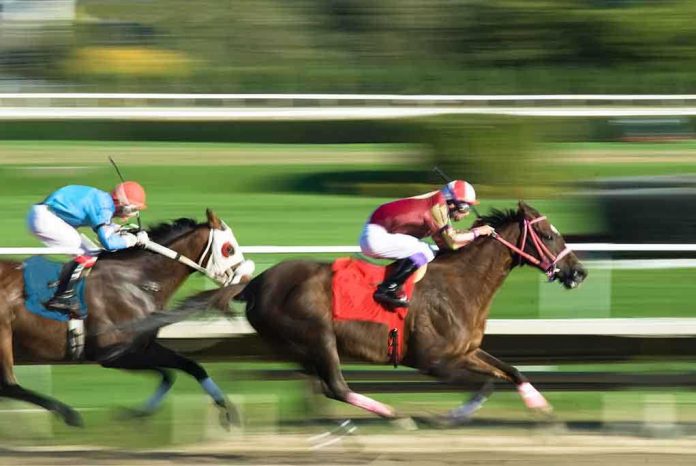
Juarez has said the colt reminds him of Justify in the way he carries himself, and that kind of comparison doesn’t happen casually inside a racing barn. It signals a particular rhythm: tactical speed, composure, and the ability to keep running when others stop. The Derby’s 20-horse field demands that kind of mental and physical steadiness, because traffic, kickback, and crowd noise turn clean trips into rare luxury.
D. Wayne Lukas at 89: The Derby’s Most Uncomfortable Question
D. Wayne Lukas brings the other half of this story, and it’s the part that makes conventional sports timelines look silly. At 89, Lukas still operates in a world that eats trainers alive with stress, scrutiny, and relentless logistics. He already owns four Derby wins—1988, 1995, 1996, 1999—and he’s hunting a fifth. That’s not nostalgia; that’s competitive appetite with a stopwatch attached.
Age doesn’t saddle a horse, but it changes the way outsiders talk about the team. Lukas invites a hard, fair question: how can a sport be so modern and so old-school at the same time? The answer sits in his results. American racing respects competence, and conservative common sense respects track records over talking points. Lukas doesn’t need a rebrand; he needs a clean break and a colt that fires.
Mentorship Matters More Than Hype in a 20-Horse Stampede
Juarez’s relationship with Garrett Stevens, tied to Justify as an exercise rider, adds a quietly serious advantage: perspective from someone who lived inside a champion’s daily routine. Mentorship in racing isn’t a motivational poster; it’s a transfer of hard-won habits—how to read a horse’s energy, how to interpret a trainer’s instructions, how to stay calm when everyone around you is performing for cameras.
The Derby magnifies tiny mistakes. Young jockeys don’t usually lose because they can’t ride; they lose because the moment speeds up their decision-making. The best mentors teach riders to slow the film down in their head. That includes how to break clean, how to avoid getting shuffled back into a pocket, and how to time a move without turning a mile-and-a-quarter into a premature sprint.
What the Virginia Derby Win Really Bought Them
The Virginia Derby win at Colonial Downs did more than secure a spot; it bought legitimacy. “Win and you’re in” qualifiers are designed to reward performance instead of reputation, a principle that aligns with the best of American competition: earn it on the track, not in the boardroom. That victory also gave Lukas and Juarez a usable blueprint—how the colt responds when asked, how he handles pace, and how he finishes.
That blueprint still needs translation to Churchill Downs, where the Derby’s start can feel like a controlled collision. Colonial Downs doesn’t replicate the Derby’s noise, density, and chaos, but it does reveal whether a horse wants to compete or only wants to run. American Promise’s qualification signals he can fight, and fight matters when the favorite’s shadow is sitting on your shoulder at the quarter pole.
The Real Stakes: Legacy, Livelihood, and the Derby’s Cultural Grip
A Derby win would turn Juarez into a national name overnight and reinforce Lukas as a once-in-a-generation figure who never really left. A loss wouldn’t erase the accomplishment of getting there, but it would underline racing’s blunt truth: opportunity is not entitlement. The purse and prestige drive owners and stables, but the deeper prize is permanence—being remembered in a sport that measures time in decades.
Horse racing also needs stories like this to stay culturally relevant. Fans don’t bond with spreadsheets; they bond with human pressure and earned chances. Juarez’s “chills” line works because it’s universal: anyone past 40 knows the feeling of seeing one more big door open and wondering if you’re ready to walk through it. The Derby will answer that question at full speed, with no rewinds.
Sources:
“It’s Giving Me Chills”: Jockey Nik Juarez Preparing for First Kentucky Derby with American Promise