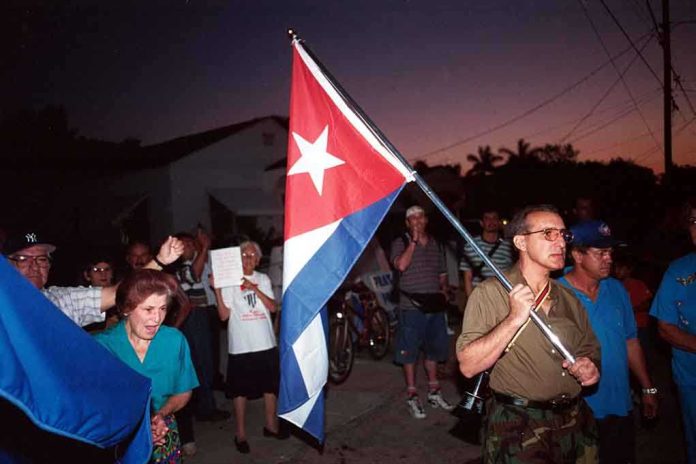
Havana plunged into chaos as ordinary Cubans banged pots in the dark, their fury at the communist regime exploding after 60 hours without power.
Story Snapshot
- National grid collapsed on March 4, 2026, leaving two-thirds of Cuba, including Havana, in darkness for over 60 hours.
- Spontaneous protests erupted overnight on March 7, with residents chanting anti-government slogans amid water shortages and spoiled food.
- Crisis stems from aging infrastructure, fuel shortages after Maduro’s capture, and U.S. sanctions tightening the noose.
- Protests signal eroding tolerance for regime mismanagement, echoing patterns of unrest in a fuel-starved nation.
Grid Failure Triggers Nationwide Blackout
Antonio Guiteras thermoelectric plant shut down unexpectedly at 12:41 p.m. on March 4, 2026, disconnecting Cuba’s national electrical grid. Blackouts spread from Camagüey to Pinar del Río, engulfing Havana and affecting millions across two-thirds of the island. Water pumps failed, food spoiled without refrigeration, and businesses shuttered as daily life ground to a halt. This failure exposed the grid’s fragility, 62 miles east of the capital.
Fuel Crisis Roots Deepen the Plunge
Venezuela’s oil exports, supplying half of Cuba’s fuel, halted after U.S. forces captured Nicolás Maduro on January 3, 2026. President Trump’s sanctions exacerbated chronic shortages, turning routine 20-hour daily outages into catastrophe. Residents adapted with solar panels and generators before March, but the grid collapse overwhelmed these measures. Havana’s western region suffered most, with communications and services paralyzed.
Protests Ignite in Havana’s Dark Streets
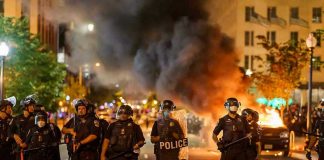
Overnight on March 7, 2026, crowds gathered in multiple Havana neighborhoods after 60-plus hours without power. Protesters lit phone flashlights, banged pots in rhythmic defiance, and shouted demands for electricity alongside direct regime criticism. Videos captured tense scenes of desperation in pitch-black streets. These self-organized outbursts marked escalation from silent suffering to public revolt against communist rule.
Regime Response Falls Short
Energy Minister Vicente de la O Levy called the situation complex, reporting efforts to restore the National Electrical System with Felton 1 plant operational. President Miguel Díaz-Canel rejected U.S. negotiations, clinging to sovereignty claims. No firm timeline emerged for western Cuba’s recovery, estimated at three days minimum. U.S. Embassy warned of an increasingly unstable grid, urging resource conservation. Official pledges rang hollow amid paralysis.
Common sense aligns with facts showing regime mismanagement: decades of central control bred decay, not resilience. Conservative values affirm self-reliance over handouts from allies like Venezuela, now severed. Protests reflect natural pushback against tyranny strangling basics like power and water.
Impacts Ripple Across Society and Economy
Short-term chaos hit hardest: water shortages halted pumping, food rotted, traffic stalled without lights, and urban poor lost essentials. Economic strain soared with fuel prices and closed commerce in an import-reliant nation. Politically, eroding tolerance fuels anti-communist sentiment, risking broader instability. Long-term, solar shifts offer hope but falter without fuel. Caribbean stability frays under the pressure.
Sources:
Fox News: Millions lose power across Cuba as Trump sanctions continue to fuel ongoing energy crisis
Le Monde: Two-thirds of Cuba, including Havana, hit by blackout
U.S. Embassy Havana: Security Alert – U.S. Embassy Havana, Cuba (March 4, 2026)