A plastic-and-metal body camera turned into a life-saving shield when a gunman fired from less than six feet away.
Quick Take
- Volusia County Deputy José Rivera took two rounds in a Deltona shootout, including one that struck his chest-worn body camera.
- The bullet hit the camera “dead center,” then deflected and reportedly ended up in Rivera’s shoulder instead of his heart or lungs.
- Rivera still managed to identify the shooter while injured, a detail that matters for both prosecution and accountability.
- Sheriff Mike Chitwood credited both training and providence, and pointed to the agency’s recent shift to center-chest cameras as a key factor.
Six Feet, a Doorway, and a Decision That Arrived Too Late
Deputies José Rivera and his rookie partner, Gomez-Lopez, walked into a call that looked routine on paper: a battery report in Deltona’s Candler Drive area. The delay mattered. By the time deputies arrived, the suspect had time to retreat inside, slam the door, and make his next move. Through a window, deputies reportedly saw a box with a firearm inside. Seconds later, the confrontation turned into a close-range gunfight.
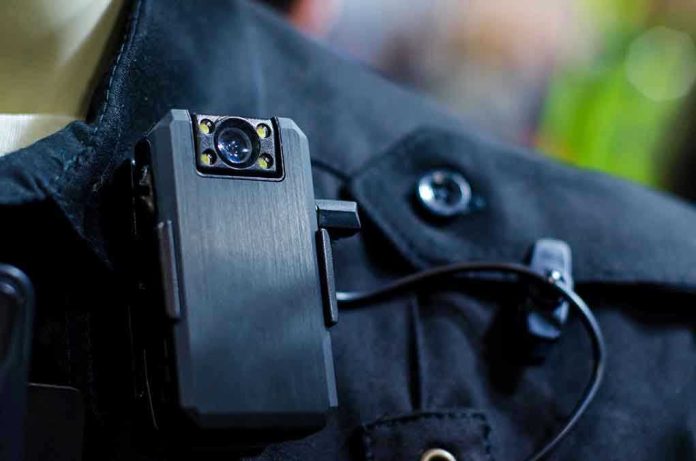
Distance drives outcomes in shootings, and “less than six feet” isn’t a statistic—it’s a warning label. At that range, there’s little time to process intent, less time to seek cover, and almost no margin for error. Rivera took a shot to the thigh and another aimed at his upper torso. The second round struck his body-worn camera at the center of his chest, the very location that can make the difference between a painful injury and a fatal one.
The Body Camera as Armor: Luck, Physics, and Procurement
Sheriff Mike Chitwood described the camera hit as “dead center,” and his office treated the outcome as extraordinary: the bullet impacted the camera and then ricocheted into Rivera’s shoulder. That detail underscores why “wear location” isn’t a minor comfort issue. Volusia County had switched from shoulder-mounted units to center-chest models about six months earlier, largely for better coverage, translation features, and usability. That upgrade suddenly acquired a new, grim value.
Common sense says equipment should never be treated like a talisman. Body cameras aren’t rated ballistic plates, and nobody should buy them expecting they’ll stop bullets. Still, Americans understand something else just as clearly: small choices compound. Placement, angles, and hard objects on the torso change what happens when metal meets momentum. Chitwood’s “divine intervention” language will resonate with some and irritate others, but the more practical lesson is procurement decisions can have unexpected downstream benefits.
What Rivera Did After Being Hit: The Part That Shouldn’t Get Lost
The camera may have altered the bullet’s path, but Rivera’s actions after being shot reveal the real backbone of the story. Fellow deputies rushed him into a patrol car, applied first aid, and drove him to a hospital before a helicopter airlifted him to Halifax Medical Center in Daytona Beach. While injured and being moved, Rivera identified the shooter. That single act tightens the case, clarifies the threat, and helps incoming units act decisively.
Law enforcement stories often get flattened into slogans—either “hero cop” or “system failure”—but this one contains a concrete, testable point: performance under stress. Rivera’s ability to communicate while wounded reflects training and temperament, the unglamorous work that conservative voters tend to respect because it’s measurable. Courage is not a press release; it’s a decision made while bleeding. Whatever someone thinks of policing politics, that part deserves straightforward credit.
The Suspect in Custody and the Unanswered Questions the Video Will Settle
Authorities took suspect Luis Diaz Polanco into custody after additional deputies arrived. He faced attempted murder charges as the investigation continued. Reports also referenced a history of violence and mental health struggles, but public accounts at this stage primarily trace back to law enforcement statements. That’s not a dismissal; it’s a reminder. A conservative approach to facts means separating what’s alleged from what’s documented, and waiting for corroboration where it’s missing.
Body-worn camera footage often becomes the referee the public trusts more than memory, and that trust cuts both ways. The footage can confirm threat cues, timing, and verbal commands, or it can expose hesitation and confusion. In this case, the camera itself became evidence twice over: it recorded the incident and physically absorbed the impact. Investigators also treated the patrol car used for transport as evidence, signaling they expect scrutiny of the scene and its aftermath.
Why This “Miracle” Story Will Influence Policy More Than You Think
The public loves a near-miss narrative, but agencies live in budgets and policies. A high-profile survival linked to equipment accelerates purchasing decisions, standardizes how devices are worn, and can shift training emphasis toward positioning and tactics. Chitwood highlighted the department’s move to chest-mounted cameras for coverage and comfort, but after this incident, decision-makers elsewhere will think about survivability optics too—even if the official line remains “cameras are for accountability.”
FLA. DEPUTY SHOT TWICE, SAVED BY BODY-WORN CAMERA https://t.co/jt9ZoX045E pic.twitter.com/ODEs61mY2v
— Lester McClintock (@LesterMcCl28224) March 4, 2026
The deeper takeaway is not that gadgets replace judgment. It’s that modern policing sits at the intersection of human risk and technological design, and the public demands both competence and proof. A camera that captured a split-second gunfight and arguably prevented a fatal wound will become part of a broader argument: invest in tools that document reality, train deputies to act lawfully, and enforce consequences for those who choose violence. Rivera is expected to recover, but the ripple effects will last.
Sources:
Bodycam takes bullet, likely saves Florida deputy in shootout, sheriff says