A July Fourth fireworks display turned into a federal terrorism trial that could redefine the line between political protest and domestic extremism when nine defendants faced life sentences for an alleged ambush on an ICE detention facility in Texas.
Story Snapshot
- Nine individuals faced federal terrorism charges after a July 4, 2025 attack on the Prairieland ICE Detention Center in Alvarado, Texas, where fireworks were launched and shots fired, injuring a police lieutenant
- Federal prosecutors labeled the group a “North Texas Antifa Cell” in what became the first major test case for charging anti-ICE activists with terrorism-related offenses under material support laws
- The trial beginning in February 2026 centered on whether the incident constituted a coordinated ambush to kill federal agents or a solidarity protest that escalated beyond control
- FBI searches uncovered anti-ICE and anti-government materials linking defendants through friendships and shared activism, with alleged ringleader Benjamin Song previously arrested at a 2020 protest
When Fireworks Became Federal Explosives
The night of July 4, 2025 began with correctional officers at Prairieland Detention Center dialing 911. What they reported set off a chain of events that would land 21 people in federal custody on terrorism charges. A group of approximately a dozen individuals had gathered outside the facility near Alvarado, firing commercial fireworks at the building. When Alvarado Police Lt. Thomas Gross responded to the call, shots rang out. A bullet struck him in the neck or back, turning what prosecutors would call a “planned ambush” into the Trump administration’s signature prosecution against anti-ICE activism.
Federal investigators moved swiftly. Within three days, ten arrests were made, with Benjamin Song remaining at large long enough to earn a spot on Texas’s Top 10 Most Wanted list. Acting U.S. Attorney Nancy Larson didn’t mince words, branding the incident a deliberate attack on federal agents. The charges reflected that severity: attempted murder of federal officers, providing material support to terrorists, conspiracy, rioting, and using explosives. That last charge raised eyebrows because the explosives in question were commercially available fireworks, the kind launched at backyard barbecues across America every Independence Day.
The Gear Check That Became Evidence
The prosecution’s case relied heavily on establishing premeditation. FBI agents testified that on July 3, 2025, the day before the attack, several defendants gathered at the Dallas home shared by Meagan Morris and Autumn Hill for what investigators characterized as a “gear check.” Searches of defendants’ homes and digital devices revealed a trove of anti-ICE rhetoric, anti-government manifestos, and materials associated with Antifa ideology. The bureau’s testimony on Day 5 of trial aimed to connect these ideological dots into a cohesive conspiracy. Prosecutors painted a picture of coordinated planning among friends and romantic partners united by opposition to immigration detention, not a spontaneous protest gone wrong.
Defense attorneys countered with a fundamentally different narrative. Their clients had participated in a noise demonstration meant to express solidarity with ICE detainees, they argued, not to kill anyone. Some defendants had no violent criminal history whatsoever. The defense characterized the terrorism charges as federal overreach designed to chill legitimate political dissent. Supporters outside the courthouse echoed this view, insisting the defendants weren’t enemies of the state but concerned citizens exercising First Amendment rights. The tension between these competing interpretations became the trial’s central question: where does protest end and terrorism begin?
Setting Precedent in Federal Court
The case represented uncharted legal territory. Never before had federal prosecutors deployed material support for terrorism statutes against anti-ICE activists in connection with an attack on a detention facility. The Trump administration’s push to label Antifa as a domestic terrorist threat found its testing ground in a Johnson County courtroom. Legal observers recognized the implications immediately. A conviction would establish precedent for treating politically motivated property damage and assault as terrorism, potentially expanding the definition of material support beyond its traditional application to foreign terrorist organizations. The classification of fireworks as explosives under federal law added another layer of controversy, raising questions about prosecutorial discretion and proportionality.
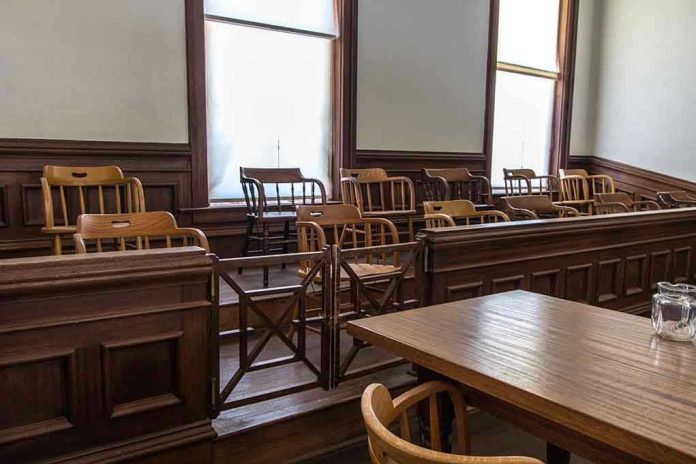
The trial stretched across three weeks starting in February 2026. Lt. Gross took the stand to describe the night he was shot while responding to what seemed like a routine disturbance call. Other witnesses included defendants who had accepted plea deals in exchange for testimony. FBI agents walked jurors through search warrant evidence, photographs of anti-government literature, and digital communications among the accused. By March 3, 2026, both sides had rested their cases. Nine defendants awaited their fate, facing potential life sentences if convicted on all counts. The remaining defendants from the original 21 charged either took plea deals or awaited separate proceedings.
Beyond Alvarado
The ramifications extended far beyond the defendants in the dock. ICE facilities nationwide reviewed security protocols and implemented enhanced measures against external threats. The North Texas activist community faced heightened scrutiny, with FBI searches casting a wide net that swept up individuals like Denton City Council candidate Kris Cox, who was socially connected to defendants but never charged. For immigration detention critics, the case became a cautionary tale about the risks of escalating tactics beyond peaceful assembly. For law enforcement, it validated concerns about violent extremism emerging from protest movements. The injured officer’s recovery proceeded even as the legal machinery ground forward, a human reminder that ideological abstractions have flesh-and-blood consequences.
The Alvarado incident stood distinct from another ICE-related shooting that occurred in Dallas on September 24, 2025, when lone actor Joshua Jahn targeted ICE agents in an unrelated attack. That distinction mattered for prosecution strategy because it allowed federal attorneys to emphasize the coordinated, cell-based nature of the Prairieland attack rather than dismissing it as an isolated individual’s actions. The deliberate framing as organized domestic terrorism rather than spontaneous violence shaped both the charges and the broader political narrative. As deliberations loomed, the case had already achieved one goal prosecutors surely intended: sending an unmistakable message about the consequences of taking direct action against federal immigration enforcement infrastructure.
Sources:
Defense, Prosecution Rest in Prairieland ICE Facility Shooting Federal Trial – CBS Texas
Alvarado ICE Facility Ambush Trial March 3, 2026 – FOX 4 News
Suspect in Attack on ICE Detention Facility Added to Texas Top 10 Most Wanted List – Texas DPS
2025 Dallas ICE Facility Shooting – Wikipedia