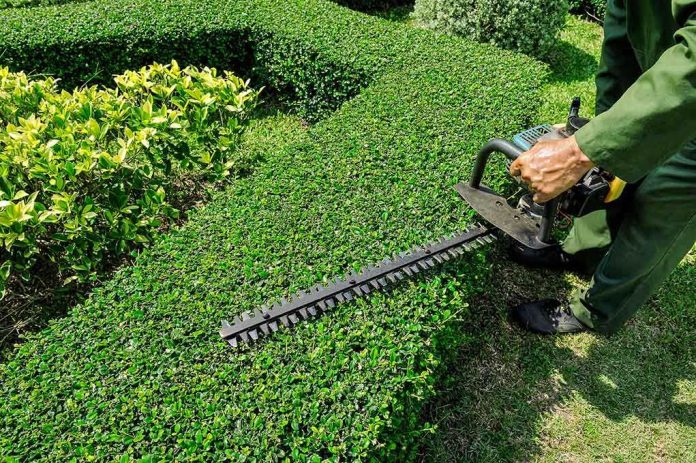
A 30-second TikTok turned the most ordinary suburban status symbol into a national argument about race, power, and who gets to define “normal.”
Quick Take
- A viral TikTok from @softchaoschannel argues manicured lawns reflect a “colonial aesthetic” tied to white supremacy.
- Conservative accounts and outlets amplified the clip, turning a niche critique into a mass mockery cycle.
- Environmental criticism of lawns has real substance, but the racism claim travels faster because it provokes.
- The story exposes a broader cultural habit: moralizing everyday life while ignoring practical tradeoffs homeowners actually face.
The viral claim: your mower as a political confession
JustJaim, posting as @softchaoschannel, went viral after framing the well-kept grass lawn as more than taste or routine. The message, as circulated in conservative coverage, tied manicured turf to a “colonial aesthetic” and systemic oppression, then pushed a different ideal: yards that look more “natural,” weeds included. The clip didn’t spread because it offered a new argument; it spread because it made the familiar feel accusatory.
The timing mattered. After the video circulated on TikTok, it jumped to X where large accounts and smaller pile-on pages repeated it, clipped it, and captioned it for maximum outrage. That second-stage distribution is where most viral “culture” stories get their torque. A claim that might have stayed inside activist circles became a referendum on suburban life once it entered a political feed engineered for instant reactions.
How a lawn became a symbol, long before TikTok found it
The lawn is not just landscaping; it’s a social signal. Postwar suburbia treated uniform grass as proof of order, safety, and neighborly compliance, later reinforced by homeowners’ associations that standardized appearance. That doesn’t automatically make lawns racist. It does explain why people argue about them like they’re sacred. Grass is visible from the street, so it becomes a proxy for discipline, property values, and community expectations in a way a messy garage never does.
Some critics reach for history to make that proxy feel sinister. The Sierra Club has documented an online “anti-lawn” trend that mixes ecological complaints with claims that lawns reflect exclusionary neighborhood rules, including discriminatory housing eras when some communities restricted who could buy property. That connection requires careful handling: past discrimination was real, but a modern homeowner watering fescue in 2026 is not automatically reenacting it. Context matters; guilt-by-aesthetic usually fails the common-sense test.
Environmental critiques: the strongest argument got overshadowed
The most persuasive case against traditional lawns isn’t moral condemnation; it’s resource math. Large turf areas can require heavy watering, fertilizers, and herbicides, especially in dry regions, and they can reduce biodiversity compared with mixed plantings. Those are practical, measurable concerns that homeowners can weigh against preferences and neighborhood rules. The tragedy of the viral moment is that the racism framing crowds out the discussion that could actually help people make better choices.
Homeowners live in a world of constraints that online critics rarely price in. Some HOAs penalize tall grass, dead patches, or “unapproved” ground cover, and municipalities sometimes enforce weed ordinances. People also have kids, pets, allergies, and limited time. A neat lawn can be a compromise: predictable, playable, and simple to maintain. Replacing it with a native garden can be great, but it takes planning, know-how, and sometimes a fight with the rulebook.
The conservative lens: when everything becomes “systemic,” accountability disappears
Conservative media framed the viral clip as progressive activism hunting racism in everyday life, and that criticism lands because the claim as presented sounds inflated. Calling a lawn “white supremacy” stretches language until it stops meaning anything. American conservatives tend to respect personal responsibility and concrete evidence; broad accusations with no clear mechanism feel like a shortcut to moral superiority. When every normal habit becomes oppression, nobody can fix anything—because nobody can even define the problem.
That said, conservatives should resist the lazy temptation to mock the environment angle just because the racial framing feels absurd. Chemical overuse is real; water scarcity is real; local ecosystems do matter. A smart homeowner can reject ideological guilt while still embracing stewardship: mow higher, use less fertilizer, water efficiently, or convert a section to drought-tolerant plants. Common sense says you can protect your property value without treating your yard like a chemistry lab.
Why this went viral: outrage is easier than nuance, and lawns are a perfect trigger
This story exploded because it hits three emotional hot buttons at once: home, identity, and accusation. Homeownership is still a cornerstone aspiration for many Americans over 40, and the lawn is the front porch of that dream. Labeling it immoral turns maintenance into a confession. Social platforms reward that tension: the creator gets visibility, amplifiers get engagement, and everyone else gets a dopamine shot from picking a side—without doing the boring work of asking what the speaker actually meant.
The lasting lesson isn’t about grass. It’s about how quickly public discourse becomes a game of extremes: “your lawn is racist” meets “all critics are lunatics,” and the middle—where real improvements live—gets paved over. Homeowners should feel free to keep a tidy yard, and they should feel free to rethink it, too, without surrendering to online scolds. The yard is yours; the outrage economy just rents it for clicks.