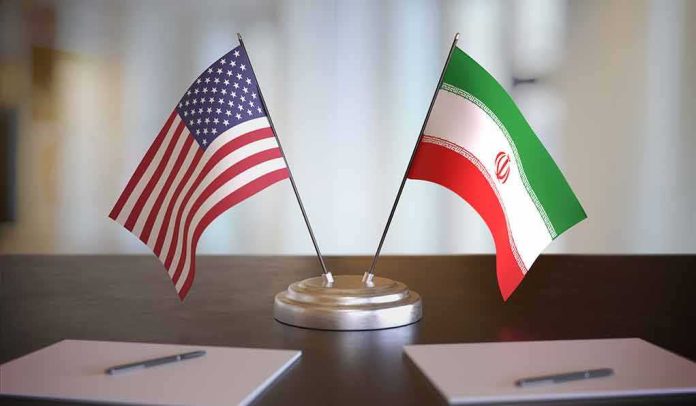
The striking part of this ceasefire story is not that Washington and Tehran are talking; it is that both sides appear to be treating a fragile pause as a test of political will, not a final peace.
Quick Take
- U.S. and Iranian negotiators have reportedly agreed to a 60-day memorandum of understanding that extends the ceasefire and opens talks on Iran’s nuclear program.[1]
- President Donald Trump still has to give final approval, which means the deal is not yet locked in.[1][2]
- The reported framework keeps the hardest issues open, including nuclear limits and sanctions relief, rather than settling them immediately.[1][2]
- That uncertainty is exactly why each side is already trying to shape public perception before the text becomes final.[1][2]
A Framework, Not a Finish Line
The reported U.S.-Iran understanding reads less like a peace treaty than a pressure valve. According to Fox News, negotiators have reached a 60-day memorandum of understanding that extends the ceasefire and begins discussions on Iran’s nuclear program, but it still needs Trump’s final approval.[1] Axios reported the same core structure, saying the agreement is a ceasefire extension tied to further negotiations rather than an immediate settlement.[2]
That detail matters because the language of “agreement” can mislead readers into thinking the conflict has been resolved. It has not. What has reportedly emerged is a temporary bridge: a pause long enough to test whether diplomacy can survive the weight of the issues that actually matter, especially nuclear restrictions and what comes next on sanctions.[1][2]
Why the Approval Step Changes Everything
Trump’s pending approval is not a ceremonial box to check; it is the hinge on which the whole arrangement swings. Fox News said the memorandum remains subject to his final endorsement, which means the reported deal can still be altered or rejected before it takes effect.[1] That is why the phrase “pending approval” carries more force than it first appears to. In diplomacy, the final signature often determines whether a framework becomes policy or collapses into headline residue.[1][2]
The sequencing also reveals the political choreography. Reporting indicates the sides are not merely freezing hostilities; they are using the ceasefire window to negotiate the substance of a longer-term bargain.[1][2] That is a classic crisis-diplomacy move. It can reduce immediate danger, but it also creates a race against time, because every unresolved clause becomes a possible trigger for renewed escalation.
The Real Content Still Hidden Behind the Headline
The most important fact is also the least glamorous: the hard parts remain unresolved. Axios reported that the agreement would launch discussions about Iran’s nuclear program, while the Soufan Center’s analysis said the 60-day period is meant to determine the terms of a broader war-ending accord and leave nuclear details for later.[1][2] In other words, the ceasefire extension may be real, but the final architecture of the deal is still under construction.
🇺🇸🇮🇷 U. S. confirms second strike on Bandar Abbas days after ceasefire; Iran says it hit an American base in responsepic.twitter.com/RKjSnvN9Rd
— U.S.A.I. 🇺🇸 (@researchUSAI) May 28, 2026
That is why cautious observers should resist two easy mistakes. The first is to treat the deal as settled before Trump approves it. The second is to dismiss it as meaningless because it is temporary. Temporary arrangements can still matter enormously if they stop shooting, buy time for negotiation, and force both sides to reveal what they are truly willing to accept. The problem is that temporary deals also invite overconfidence, and overconfidence has a way of breaking ceasefires faster than artillery does.
What This Means for the Next Few Days
For now, the story is less about what has been achieved than about who is willing to own the next move. If Trump approves the memorandum, the ceasefire gets a political lift and the talks gain momentum.[1][2] If he does not, the agreement remains a near-miss and the headlines become another reminder that in Middle East diplomacy, the gap between “close” and “done” is where most deals die.
The broader lesson is simple: when a ceasefire extension depends on final approval, the real contest is not only military or diplomatic. It is also about narrative control. Both governments know that the first side to define the framework can shape expectations, domestically and abroad, before a single clause is signed.[1][2]
Sources:
[1] YouTube – BREAKING: U.S., Iran extend ceasefire pending President Trump’s …
[2] Web – U.S. and Iran Close in on a Framework Accord – The Soufan Center