New bodycam footage of Tony Romo’s roadside stop shows how fast a traffic check can turn into an intoxication arrest based mostly on officer judgment, not hard science.
Story Snapshot
- Bodycam video shows Tony Romo stopped near downtown Milwaukee and questioned for suspected impaired driving.
- Deputies say he performed poorly on field sobriety tests and smelled of alcohol before they arrested him.
- Romo refused a breath test and was cited for first-offense operating while intoxicated, with a court date set.
- The case highlights how much power officers and local courts have over drivers, even without public test results.
What The Bodycam Shows During Romo’s Traffic Stop
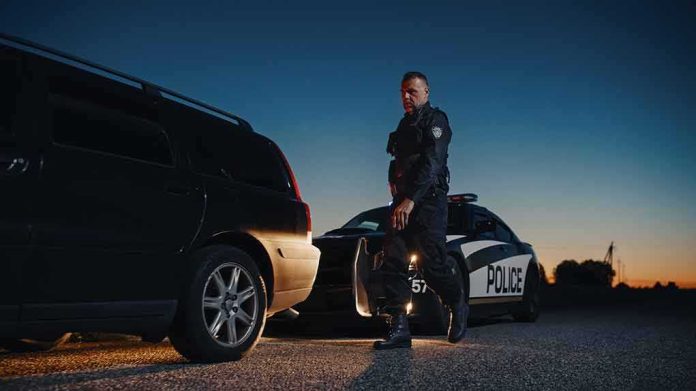
Newly released body camera video shows former Dallas Cowboys quarterback and current CBS analyst Tony Romo being pulled over on a Milwaukee-area interstate shortly after 6 p.m. on July 23. Deputies say they stopped him near the Marquette Interchange after seeing his vehicle cross the center line and weave within its lane. In the video, Romo steps out of his Jeep, tells officers he is coming from a golf course, and says he is heading to see his grandparents.
During the initial exchange, Romo appears surprised by the stop and questions why he is being detained. He and the officer struggle to hear each other at first, then Romo explains his travel plans and insists he has had nothing to drink. At one point he pushes back on the officer’s questions, asking when he can contact his lawyer and challenging how quickly the situation escalated. The officer responds that he is “detained pending an operating while intoxicated investigation.”
From Roadside Questions To Sobriety Tests And Arrest
After the stop, deputies bring Romo to the Milwaukee County Jail sally port to conduct standardized field sobriety tests, including a heel-to-toe walk and a one-leg stand. In the bodycam footage, he tries the exercises but appears to struggle with balance, then tells officers his past back surgeries make these tests hard for him. The arrest report states the deputy believed Romo performed poorly on the tests and showed signs that matched impairment, including red, glassy eyes and the odor of alcohol.
Once the tests are over, the officer tells Romo he is under arrest for operating while under the influence. At the station, deputies ask him to take a breath test to measure alcohol levels. Romo refuses, saying he has heard lawyers advise against it. Court records and media reports say he was cited for first-offense operating while intoxicated and for refusing to submit to a chemical test, then booked into jail and later released with a first court date set for September 21.
Missing Test Results And Why This Case Hits A Nerve
So far, public reports about the arrest have not included any blood alcohol concentration result or detailed toxicology. A CBS Texas report notes that police later obtained a warrant for Romo’s blood sample, but the results have not been released. That means most of the public case rests on officer observations, bodycam video, and field sobriety performance, rather than lab-confirmed numbers that clearly show whether he was over the legal limit at the time of driving.
https://t.co/oPEdQHGZwK
Body cam footage of tony romo arrest and field sobriety test #trending #dallas #cowboys #viral #nfl #fyp #funny #oui— Aaron (@atlavi0) July 29, 2026
This gap matters because many Americans already feel the justice system runs on power and discretion more than clear evidence. Both conservatives and liberals see examples where famous people, government insiders, or well-connected figures are treated one way, while everyday citizens are handled another. Romo’s status as a TV broadcaster and former star quarterback almost guarantees more attention, but it does not guarantee more fairness. Instead, it shines a light on how much rides on a single officer’s impression on the side of the road.
Why Romo’s Arrest Feeds Bigger Doubts About Government Power
For drivers watching this story, one message is simple and troubling: you can be arrested, cuffed, and sent to court based on how you look, how you walk, and whether you refuse a test, long before any judge or jury hears the facts. Wisconsin law treats a first operating while intoxicated offense mainly as a civil matter, but it still creates a record and can carry serious costs. That fits a wider pattern where government systems feel quick to punish and slow to fully prove guilt or correct mistakes.
Many on the right worry that police and local officials are part of a “deep state” culture that acts first and answers questions later. Many on the left fear that these same systems hit average workers and minorities hardest. Romo’s arrest does not prove those broader claims. It does, however, highlight how little the public often sees of the full evidence and how quickly an officer’s word and viral video shape a person’s reputation. Until courts release more records and the case is resolved, viewers are left to judge a complex event from a few minutes of shaky footage.
Sources:
nytimes.com, nypost.com, espn.com, youtube.com, chron.com, foxnews.com, fox6now.com