
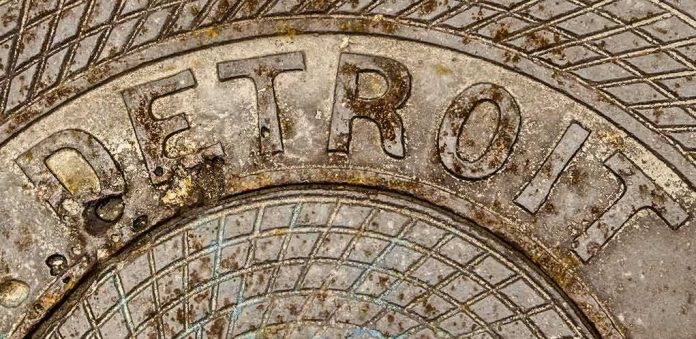
Under the streets of Manhattan, where the city’s Victorian-era drainage system still runs largely unchanged since the 1800s, a small industry of amateur treasure hunting has quietly persisted for more than a century — and this past November it surfaced, literally, through a manhole in Gramercy Park.
Key Points
- Just before 5 a.m. on November 18, a witness saw five people climb out of a manhole at Second Avenue and East 17th Street in Gramercy Park, prompting an NYPD search for the group.
- Police released images of six people connected to the broader investigation, equipped with headlamps, shovels, and work gear consistent with deliberate underground exploration.
- NYPD sources describe the apparent motive as treasure hunting, though the publicly reported evidence does not yet establish a confirmed motive, recovered valuables, or formal charges against the Manhattan group.
- The episode fits a documented, decades-old New York pattern of sewer scavenging, including a 2015 Brooklyn case involving a former city sewer worker.
- The city’s Department of Environmental Protection has reiterated that entering the sewer system is both illegal and extremely dangerous, citing toxic gas, flooding, and confined-space hazards.
What Happened Before Dawn in Gramercy Park
The facts of the November 18 incident are not in dispute. A witness near Second Avenue and East 17th Street saw five people emerge from a manhole just before 5 a.m., an event reported independently by Gothamist and CBS New York with matching date, time, and location details. The New York Police Department subsequently released images of six people it wanted to identify in connection with the broader pattern of sewer incursions in the area, treating the sighting as serious enough to warrant a public appeal rather than a routine nuisance complaint.
What the photographs show matters as much as what witnesses described. Newsweek reported that the NYPD-released images depicted people wearing headlamps, carrying shovels, and dressed in work gear as they climbed out near the Gramercy Park manhole — equipment that rules out an accidental or incidental entry. Nobody falls into a sewer wearing a headlamp and carrying a shovel. This was planned, outfitted, and deliberate, which is precisely why police shifted from treating it as a curiosity to treating it as an active investigation.
The Treasure-Hunting Theory, and Its Limits
Police sources quoted by Gothamist and CBS New York described the likely motive as treasure hunting — the search for jewelry, coins, or other valuables believed to wash into the drainage system over time. That theory is plausible on its face and consistent with the equipment photographed. It is also, as reported, a working hypothesis rather than a confirmed finding. The cited coverage does not include a recovered gold sample, a confession, or a released investigative file establishing motive with certainty; the attribution runs through police sources rather than a named detective or signed statement. That gap doesn’t make the theory wrong — it makes it exactly what law enforcement itself has called it: the leading explanation, not yet a proven one.
A separate complication is the discrepancy between the five people witnessed on November 18 and the six images NYPD released in its appeal. The cited reporting does not clarify whether the sixth person belongs to the same incident, a related one, or a different sighting altogether — a reminder that “the mole people” functions in coverage as a composite label for a cluster of similar events rather than a single, cleanly documented episode.
A Century of Sewer Scavenging, Not a New Phenomenon
New Yorkers have been pulling valuables out of their own drainage system since before the subway existed. A 1936 New Yorker profile of sewer worker Eugene Heaney’s crew of “klondikers” described men sifting sewer muck for lost rings, false teeth, and once, grimly, a body — observing that gold, silver, and diamonds settle naturally into sewer sediment because the material is heavier than the water and waste that carries it. That same mechanism — gravity sorting dense metal into drain low points during rainfall — is the entire physical premise behind every subsequent sewer gold-hunting claim in the city’s history, including this one.
The precedent closest to the current case dates to 2015, when a part-time Department of Environmental Protection worker named Marquis Evans allegedly led two companions into a Brooklyn manhole specifically to search for gold, jewelry, and guns, resulting in trespassing-related charges. That case, along with nineteenth-century newspaper accounts of jewel-hunters working the depths, establishes that the Gramercy Park sighting is a recurrence of an established local tradition rather than an unprecedented mystery. It also means the public should weigh the current police theory against a real historical base rate, not dismiss it as implausible speculation invented for a slow news week.
What the Law Actually Reaches
Whatever these five people were doing underground, the clearest legal exposure is also the most mundane: trespassing. Gothamist reported that two people connected to a related sewer incident were arrested and charged with trespassing, while other coverage describes suspected trespass as the primary offense tied to similar episodes. As of the cited reporting, no arrests or charges had been publicly tied to the specific five people seen on November 18. That distinction matters. Unauthorized entry into city infrastructure is a prosecutable act on its own, independent of whatever the people inside intended to find — which is why police can and do pursue these cases even when motive remains unresolved.
🗽 Gold in the drains? Two arrests shed light on NYC’s manhole mystery
Just before 5 a.m. on Nov. 18, a witness saw five people climb out of a Manhattan manhole and get into a waiting red sedan, according to the NYPD. As for what draws people underground, two men arrested in an… https://t.co/eiLoqlJ4v8 pic.twitter.com/tivfenmeGH
— Gunnys Adventures (@DerrickSalas9) November 28, 2026
Why the City Keeps Warning People Away
New York’s Department of Environmental Protection has been unambiguous in its public messaging around these incidents, stating plainly that entering the sewer system is both illegal and extremely dangerous, and pointing to hazards that include toxic gas buildup, sudden flooding during rain events, and confined spaces with no quick means of exit. Those risks are not rhetorical flourishes; municipal sewer systems are engineered for wastewater flow, not human occupancy, and the combination of methane accumulation, oxygen displacement, and unpredictable water surges has killed urban explorers in other cities. Whatever is or isn’t buried in the sediment beneath Gramercy Park, the agency’s warning stands on its own: the tunnels are a genuine hazard, treasure or no treasure.
What Comes Next
The investigation into the Gramercy Park sighting remained open as of the most recent reporting, with police still working to identify the people in the released images. That status is ordinary police procedure, not evidence of a cover-up or a story falling apart — open investigations routinely take weeks to produce charges, if charges come at all. What the public record supports today is narrower and more solid than the viral “sewer gold rush” framing suggests: five people, outfitted for underground work, climbed out of a Manhattan manhole before dawn, and the NYPD believes treasure hunting is the likely reason why. Everything built on top of that — the motive confirmed beyond doubt, the gold actually recovered, the full identities resolved — is still being written.
Sources:
pjmedia.com, manhattanvoiceny.blogspot.com, themirror.com, yahoo.com